Michael Jackson - They Don’t Care About Us (Brazil Version)
JUL 01 1996 · 12:00
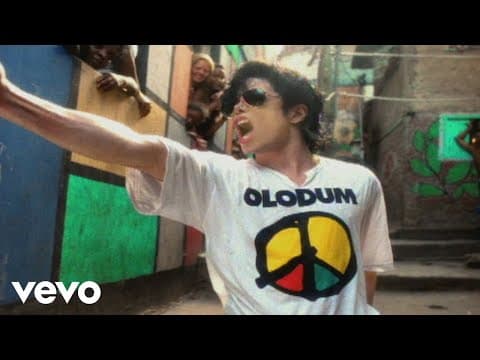
Michael Jackson - They Don’t Care About Us (Brazil Version) (1996) Director: Spike Lee Era: Post-Thriller MJ Protest Era (1996) - Mid-90s Michael Jackson at peak political expression, channeling HIStory-album social commentary through location-shot international filmmaking during the height of MTV's global cultural reach. Exceptionally high. This video stands as one of the defining intersections of superstar pop, social justice filmmaking, and non-Western cultural representation in MTV-era history. Its documented political controversy, record-breaking premiere audience, and lasting cultural impact on both the favela community of Dona Marta and the global profile of Olodum make it irreplaceable as an archival artifact. The Spike Lee–Michael Jackson collaboration at peak creative and political intensity, in an authentic international setting, renders this a Tier 1 preservation priority. Context: Released in March 1996 as part of the HIStory: Past, Present and Future, Book I campaign, the Brazil Version of 'They Don't Care About Us' represented an unprecedented convergence of global pop spectacle and on-the-ground social documentary. By filming in Santa Marta favela and the Afro-Brazilian colonial center of Pelourinho in Salvador, Jackson and Lee embedded a Western pop superstar within living communities of poverty and cultural resistance. The collaboration with Olodum, a percussion group rooted in Afro-Brazilian identity and social activism, lent the video authentic political weight. The production exposed Olodum to audiences in 140 countries and contributed to long-term urban development attention in Dona Marta. The video's premiere drew over 200 million viewers worldwide, making it one of the most-watched music video events in MTV-era history. Director notes: Spike Lee directed both original music videos for 'They Don't Care About Us' in early 1996, with the Brazil Version shot first, on location in Pelourinho (the historic center of Salvador, Bahia) and in Santa Marta, a favela in Rio de Janeiro. The production featured approximately 200 members of the Afro-Brazilian cultural and percussion group Olodum. The shoot was politically contentious: Brazilian officials, concerned about the favela imagery damaging Rio's 2004 Olympic bid, attempted to shut production down; a judge issued a filming ban that was later overturned. The video premiered to an estimated global audience exceeding 200 million viewers. In 2020, Lee assembled a third version of the video combining Brazil and Prison footage with Black Lives Matter protest imagery.
Source: radarchive.org
Part of RAD Archive · Watch in the documentary