Lodestar - Another Day
JUL 01 1996 · 12:00
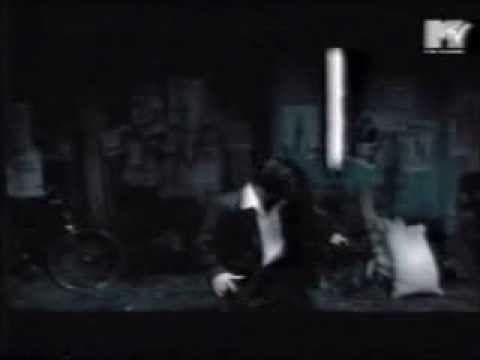
Lodestar - Another Day (1996) Director: Chris Cunningham Era: Britrock / Post-Grunge Crossover Era (1995–1997) - Mid-90s UK alternative scene where rapcore, industrial, and post-grunge intersected; marked by aggressive DIY aesthetics and early digital video production on modest budgets. High curatorial value as a confirmed early Chris Cunningham directorial credit predating his canonical Warp Records work, offering researchers a documented transitional artifact. Combined with Lodestar's status as an obscure but historically significant UK rapcore act, the video occupies a dual archival function: tracking both an influential director's aesthetic genesis and a largely underdocumented musical subculture. The quantitative data, extreme cut density, dark/warm mood profile, provides measurable stylistic evidence for Cunningham's emerging visual signature. Context: Released in 1996 at the peak of UK post-grunge and rapcore crossover activity, Lodestar emerged from the Senser camp, a band that had itself fused rap, rock, and electronic elements for UK alternative audiences. The video situates itself within a mid-90s British underground scene that rejected MTV's polished aesthetic in favour of raw, confrontational energy. Directed by Chris Cunningham in the period immediately before his career-defining 'Come to Daddy,' the work represents a formative moment in one of music video history's most significant directorial voices, bridging workmanlike performance documentation and the proto-body-horror visual language he would go on to fully realize. Director notes: Confirmed via IMDb (https://www.imdb.com/title/tt6805394/) as director of 'Lodestar: Another Day' (1996). The video is documented as a band performance piece, noted for escalating into body-horror territory in its latter half, consistent with Cunningham's nascent interest in tactile, physiological unease that would define his later canonical work. Listed in a comprehensive Chris Cunningham filmography alongside his Autechre, Aphex Twin, Portishead, and Björk videos, placing it as an early-career transitional work preceding his breakthrough with 'Come to Daddy' (1997). The film's quantitative profile, 402 scene changes, 0.69s avg shot length, dark/warm mood, is consistent with Cunningham's emerging style of rapid, visceral editing combined with low-light intimacy.
Source: radarchive.org
Part of RAD Archive · Watch in the documentary