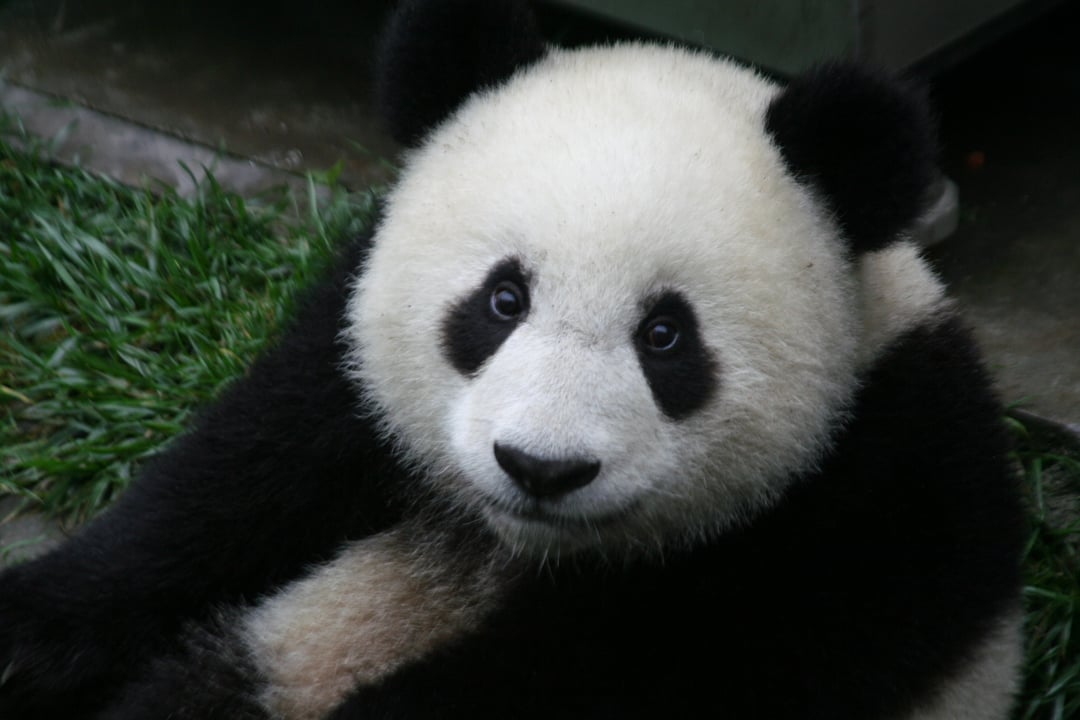
Science of Breeding
Pandas are famously difficult to breed, and for decades captivity meant decline. The first captive cub in 1963, the founding of dedicated research bases, artificial insemination, neonatal care, and at last genome sequencing turned the panda nursery into one of conservation biology's great success stories.
Part of The Giant Panda
11 moments in this segment.
- - The first captive-born cub. On 9 September 1963, Beijing Zoo records the first giant panda ever born in captivity, a male cub named Ming-Ming. It is the first crack in the panda's reputation as impossible to breed, and the beginning of a long scientific struggle to make captivity a source of new pandas rather than a drain.
- - The Chengdu panda breeding base opens. The Chengdu Research Base of Giant Panda Breeding is founded in 1987 with just six rescued pandas. It pioneers the techniques, artificial insemination, twin-swapping, round-the-clock neonatal care, that will turn captive breeding from a string of failures into a reliable success.
- - Hua Mei - first US-born cub to survive. On 21 August 1999, Hua Mei is born at the San Diego Zoo, the first giant panda born in the United States to survive to adulthood, conceived by artificial insemination. Her survival proves that Western zoos, too, can breed pandas, and she is later repatriated to China to join the breeding programme.
- - The panda genome is sequenced. In 2010 an international team publishes the draft genome of the giant panda in Nature. It confirms the animal is a true bear, reveals why a carnivore's body subsists almost entirely on bamboo, and gives conservation geneticists a precise toolkit for managing the small, fragmented population.
- - Watch - inside a panda nursery. Footage from the Chengdu breeding base: the round-the-clock science of raising panda cubs, from incubators and twin-swapping to the costumed keepers preparing pandas for release.
- - Tao Tao - first captive-bred panda released to the wild. In October 2012 Tao Tao, raised under a "wild training" programme in which keepers wore panda costumes to avoid human imprinting, becomes the first captive-bred giant panda released into the wild. It marks the breeding programme's ultimate ambition: not just more pandas, but wild ones.
- - Where every panda begins. An American network correspondent reports from the research and conservation centre in the mountains of south-central China where pandas are bred, raised and prepared for life elsewhere. Every panda held abroad traces back to these enclosures.
- - A triplet becomes a mother. Meng Meng, the eldest of the world's only surviving giant panda triplets, gave birth to a female cub on 18 June 2024. The cub was shown to the public at Chimelong Safari Park in Guangzhou two weeks later.
- - A cub for Wu Wen at Ouwehands. Giant panda Wu Wen gave birth to a cub on the evening of 12 July 2024 at Ouwehands Zoo in the Netherlands, months after mating with Xing Ya in February. Mother and cub stayed in the maternity den and were reported to be doing well.
- - The year's cubs are presented in Sichuan. Twenty-five cubs from the China Conservation and Research Center for the Giant Panda and the Chengdu Research Base of Giant Panda Breeding were shown together in public for the first time on 23 January 2025. The annual presentation before Lunar New Year has become the clearest measure of a breeding season's output.
- - Indonesia's first panda cub. Rio, born at Taman Safari Indonesia on 27 November 2025, is the first giant panda born in the country. This report follows him through his first months on show, from unsteady steps to climbing.