Stereophonics - Maybe Tomorrow
2003
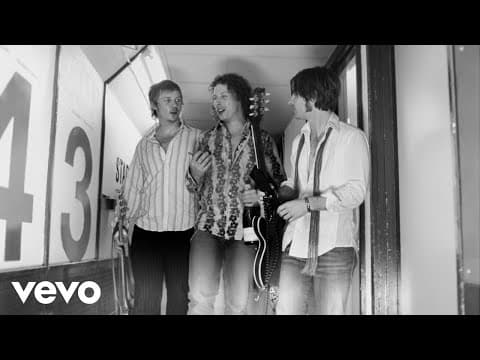
Stereophonics - Maybe Tomorrow (2003) Director: W.I.Z. (Andrew John Whiston) Era: Post-Britpop Maturity (2003) - Welsh alt-rock transitioning from anthemic Britpop toward soul-inflected, introspective songwriting; a period marked by UK guitar bands exploring jazz textures and cinematic production aesthetics. High curatorial value as a confirmed-director artefact from a critically significant moment in post-Britpop British rock. The intersection of W.I.Z.'s BFI-recognised directorial career, the song's dual Hollywood film placements, its UK #3 chart peak, and its subsequent BPI platinum certification (2020) make this video a multi-layered document of early-2000s UK music culture. The quantitative metrics, muted warmth, fast editing, compressed contrast, provide measurable evidence of a deliberate anti-spectacle aesthetic philosophy that merits preservation and academic study. Context: Released in July 2003, 'Maybe Tomorrow' arrived at a pivotal juncture for Stereophonics, as Welsh rock bands sought to shed the Britpop label and pursue more soulful, genre-crossing directions. The song's jazz-inflected texture marked a deliberate stylistic departure from the band's earlier anthemic rock. Its subsequent placement in two major Hollywood films, as the opening theme of Wicker Park (2004) and in the closing credits of the Academy Award-winning Crash (2004), elevated the track to transatlantic cultural currency far beyond its UK chart success (UK Singles Chart peak: #3). The video's cinema vérité aesthetic mirrors wider early-2000s UK music video trends toward documentary-style intimacy, moving away from the high-budget conceptual excess of late-1990s Britpop-era promos. W.I.Z.'s direction situates the band in an observational, unpolished visual register that reinforces the song's confessional emotional register. Director notes: Confirmed as director on both IMDb (imdb.com/title/tt28174917/) and IMVDb (imvdb.com/video/stereophonics/maybe-tomorrow). IMVDb additionally credits editor Struan Clay. The video was released in 2003 to accompany the single from the album You Gotta Go There to Come Back (V2 Music Limited). The video's opening adopts a cinema vérité aesthetic, consistent with W.I.Z.'s established practice of grounding high-concept narrative in observational, documentary-inflected visual language. W.I.Z.'s known directorial style, running narrative, social subtext, naturalistic performance capture, aligns precisely with the low-key, intimate aesthetic evidenced by the quantitative metrics: muted brightness (89.2/255), low saturation (1.698), warm colour temperature (1.963), and moderate motion (9.44), all hallmarks of his restrained, story-first approach.
Source: radarchive.org
Part of RAD Archive · Watch in the documentary