Y Control - Yeah Yeah Yeahs
2004
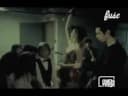
Y Control - Yeah Yeah Yeahs (2004) Director: Spike Jonze Era: Post-Punk Revival / Indie Rock Resurgence (2003–2004) - New York City garage rock and post-punk revival era; a moment of raw DIY energy colliding with auteur music video filmmaking and emerging indie label infrastructure. Exceptionally high. 'Y Control' directed by Spike Jonze is a canonical text in both music video history and early 2000s indie rock visual culture. It represents the apex of auteur-driven transgressive music video filmmaking, the cultural moment of NYC's indie resurgence, and a documented flashpoint in MTV broadcast censorship policy. Its production credentials, Lance Acord as DP, Stephen Berger as editor, situate it within Jonze's broader cinematic practice. Tier 1 archival priority. Context: Released in 2004 as a single from Yeah Yeah Yeahs' debut album Fever to Tell, 'Y Control' emerged from the fertile New York City indie rock underground that also produced The Strokes, LCD Soundsystem, and Interpol. The band's raw amalgam of garage rock, post-punk, and art-school provocation found a visual counterpart in Jonze's horror-inflected short film aesthetic. The video became a lightning rod for debates about censorship, artistic freedom, and MTV's role as a cultural gatekeeper, receiving airplay only with editorial disclaimers and content blurring, a rare institutional concession that amplified the video's notoriety and cultural footprint. Director notes: The 'Y Control' music video was directed by Spike Jonze and released in 2004. It was produced by Vincent Landay, shot by director of photography Lance Acord, and edited by Stephen Berger, with costume design credited to Casey Storm and Christian Joy. The video is a short horror-inflected narrative featuring child actors engaged in disturbing imagery, including a dead dog, obscene gestures, and subtitled depictions of self-mutilation. MTV and MTV2 aired the video with a disclaimer from Jonze prepended and certain content blurred. The video is widely cited as one of the most controversial music videos to receive MTV airplay in the early 2000s. It exemplifies Jonze's recurring use of dark humor, transgressive imagery, and short-film narrative structure within the music video form.
Source: radarchive.org
Part of RAD Archive · Watch in the documentary