Girls Against Boys - Basstation
MAY 14 2002 · 12:00
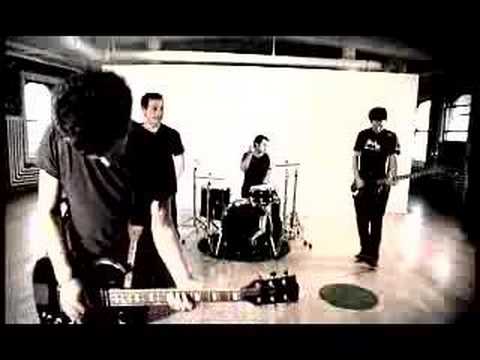
Girls Against Boys - Basstation (2002) Era: Post-Hardcore Indie Revival (2002) - Late-era GVSB sole single from their Jade Tree comeback LP, bridging 90s underground post-hardcore aesthetics with early-2000s indie rock minimalism High curatorial value as a rare documented visual artifact from GVSB's final active album cycle, representing the post-hardcore underground's comeback narrative on an independent label. The video encapsulates the aesthetic tension between 90s underground rock production norms and the emerging early-digital-2000s indie video economy. Its performance-only format and low-saturation, high-contrast visual language make it a clean specimen for studying how veteran underground acts visually self-positioned during the 2001-2003 post-punk revival. Context: Released in May 2002, 'Basstation' marked Girls Against Boys' return after a turbulent label period that saw them move from Geffen/Interscope back to the independent sphere via Jade Tree Records. The video arrived during a pivotal moment for post-hardcore and indie rock, the same year the Yeah Yeah Yeahs (who supported GVSB on tour) were rising, and the broader garage rock and post-punk revival was cresting with The Strokes, The White Stripes, and Interpol gaining mainstream traction. GVSB's aesthetic, dual bass, DC underground DNA, restrained cool vocals, positioned 'Basstation' as a veteran underground statement amid a newly energized indie landscape. The performance video format, with its low-budget realism, reinforces the band's refusal of major-label spectacle after their Geffen experience. Director notes: The video is categorized as a performance video by multiple fan and reference sources. It was released in 2002 as the sole single from 'You Can't Fight What You Can't See' on Jade Tree Records. The album was recorded at Mission Sound, Brooklyn, NY in December 2001. No production company, director, or cinematographer credit has been publicly documented in searchable records.
Source: radarchive.org
Part of RAD Archive · Watch in the documentary