LL COOL J - 4,3,2,1 ft. Method Man, Redman, DMX
JUL 01 1997 · 12:00
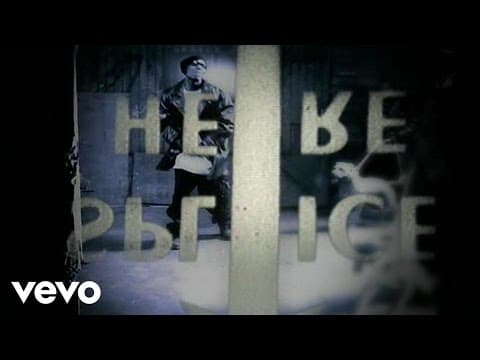
LL COOL J - 4,3,2,1 ft. Method Man, Redman, DMX (1997) Director: Diane Martel Era: Golden Age / East Coast Hardcore Renaissance (1997) - Peak-era Def Jam posse cut representing the convergence of East Coast veterans and rising Ruff Ryders talent at the height of late-90s hardcore hip-hop dominance High curatorial value as a confirmed-director, confirmed-date artifact representing the convergence of four generationally significant hip-hop artists at peak creative form in 1997. The video's deliberate exclusion of a credited performer (Canibus) due to an interpersonal dispute makes it a uniquely documented case of intra-industry conflict shaping the final visual product. Directed by Diane Martel, one of the defining figures of 1990s hip-hop video aesthetics, this clip holds significance both as a performance document and as evidence of her formative work within the genre prior to her crossover into mainstream pop. Context: Released December 9, 1997 on LL Cool J's seventh album Phenomenon (Def Jam Recordings), '4,3,2,1' represents a defining summit meeting of late-90s East Coast hip-hop talent: a Def Jam veteran (LL Cool J) convening Wu-Tang affiliate Method Man, Def Squad stalwart Redman, and then-rising Ruff Ryders force DMX on a single posse cut. The track is also culturally notable for catalyzing the LL Cool J vs. Canibus beef, one of late-90s rap's most prominent lyrical feuds, resulting in Canibus being deliberately excised from the original music video despite appearing on the recorded track. The video's dark, rapid-cut aesthetic reflects the visual grammar Diane Martel codified for New York hardcore rap in the mid-to-late 1990s. Director notes: Martel directed both the original video version of '4,3,2,1' (featuring LL Cool J, Method Man, Redman, and DMX, but not Canibus) and the extended remix video (which included Canibus and Master P). Canibus was deliberately excluded from the original video due to an ongoing feud with LL Cool J that arose during the making of the track. The production is consistent with Martel's established late-1990s approach to New York hardcore hip-hop videos: dark, high-energy, location-grounded performance pieces shot with kinetic handheld camera work and aggressive editorial pacing. The video serves as a landmark example of the late-90s Def Jam supergroup visual format, assembling some of the most commercially and critically potent MCs of the era. The directorial credit is confirmed by both IMDB (https://www.imdb.com/title/tt9600258/) and Wikipedia (https://en.wikipedia.org/wiki/4,_3,_2,_1_(LL_Cool_J_song)).
Source: radarchive.org
Part of RAD Archive · Watch in the documentary