Xavier Naidoo - Wo willst Du hin
2002
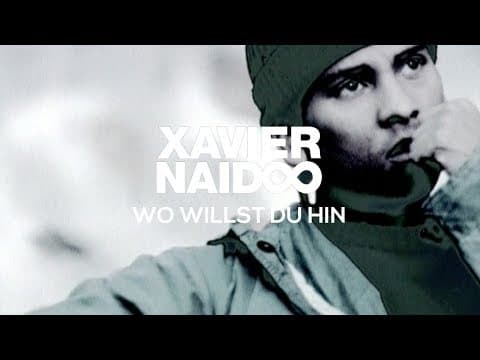
Xavier Naidoo - Wo willst Du hin (2002) Director: Marcus Sternberg Era: German New Soul Era (2002) - Peak of German-language R&B/soul crossover mainstream success, anchored by Naidoo's post-3P creative independence on Naidoo Records High curatorial value as a commercially and culturally defining artifact of the German-language soul crossover era. Represents the creative and commercial peak of Xavier Naidoo's early career, directed by one of Germany's most accomplished music video directors. The video's quantitative signature, fast editing, warm palette, controlled motion, constitutes a reproducible aesthetic template for the genre and era. Essential for any archive documenting early-2000s European pop-soul visual culture. Context: Released in February 2002 as a lead single from Xavier Naidoo's third studio album Zwischenspiel, Alles für den Herrn on his own Naidoo Records label, 'Wo willst du hin?' arrived at the peak of Naidoo's commercial dominance in German-speaking markets. The album debuted at number one in both Germany and Austria and was certified double platinum. The single became a top-five hit across German-speaking territories. Naidoo represented a unique convergence of German-language soul, gospel influence, and R&B production at a moment when domestic-language pop was asserting itself strongly against Anglo-American imports. In 2002, Naidoo received the MTV Europe Music Award for Best German Act, the Comet Award for Best National Act, and the Goldene Stimmgabel for most albums sold in a single year, underscoring the video's placement at the absolute commercial apex of his early career. Director notes: Confirmed as director of 'Wo willst du hin?' (2002) by Xavier Naidoo via IMVDb. The video was released in 2002 as part of the promotional campaign for the album Zwischenspiel, Alles für den Herrn on Naidoo Records. Sternberg was highly active in 2002, credited with six music videos that year according to IMVDb. His directorial style, described as favoring 'killer choreography and silky camera moves,' is consistent with the fast-cut, controlled aesthetic evidenced by the video's quantitative metadata (avg. shot length 2.52s, 104 scene changes).
Source: radarchive.org
Part of RAD Archive · Watch in the documentary