Love Spit Love Am I Wrong - Love Spit Love Am I Wrong
JUL 01 1994 · 12:00
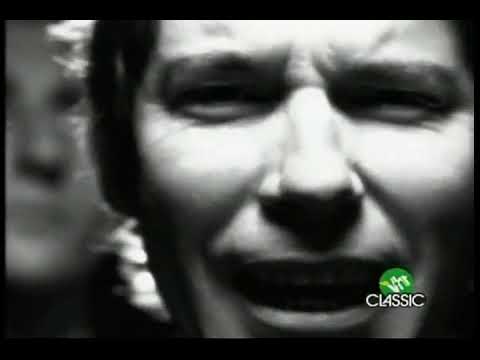
Love Spit Love Am I Wrong - Love Spit Love Am I Wrong (1994) Director: Jake Scott Era: Mid-90s Alternative Rock MTV Era (1994) - Peak period of post-grunge alternative rock saturation on MTV; moody, high-contrast film aesthetics defined the visual language of the genre High curatorial value as a confirmed Jake Scott-directed video from his formative early-career period, capturing a culturally specific 1994 alternative rock moment with measurable aesthetic coherence. Bridges legacy post-punk (Psychedelic Furs) and 90s alternative, making it doubly significant for genre genealogy research. The fast-cut, high-contrast, warm-toned visual language is quantitatively documented and historically representative. Context: Released in 1994 on Imago Records, 'Am I Wrong' was the lead single from Love Spit Love's self-titled debut and arrived during the apex of alternative rock's commercial penetration of mainstream radio and MTV. The band was fronted by Richard Butler, formerly of the Psychedelic Furs, lending the project post-punk credibility at a moment when 90s alternative was actively canonizing its 80s predecessors. The single reached No. 83 on the US Hot 100 and received strong MTV rotation, representing the era's appetite for guitar-driven, emotionally direct rock with a dark aesthetic lineage. The video's visual grammar, fast cuts, high contrast, warm film tones, mirrors the production language Jake Scott was codifying for RSA/Black Dog Films during this precise cultural window. Director notes: Confirmed via IMVDb (https://imvdb.com/video/love-spit-love/am-i-wrong) as directed by Jake Scott, released 1994. The video aligns with Scott's early-career period working under the RSA/Black Dog Films banner, when he was establishing himself through rock and alternative music video commissions. The quantitative data, fast editing (2.05s avg shot length), low brightness (70.5/255), high contrast (67.97), and warm color temperature (2.09), is consistent with Scott's cinematic, film-stock-driven aesthetic and his preference for atmospheric, low-key lighting environments documented across his early-90s work.
Source: radarchive.org
Part of RAD Archive · Watch in the documentary