Phoenix - Run Run Run
2004
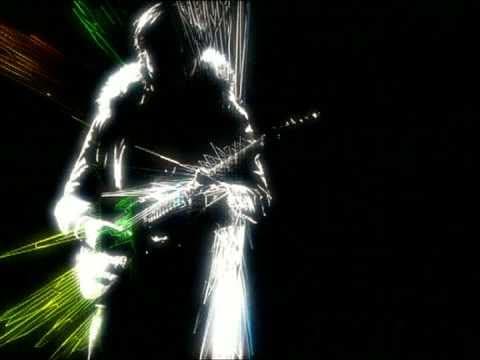
Phoenix - Run Run Run (2004) Director: Mathieu Tonetti Era: French Indie Pop Emergence (2004) - Mid-2000s Nouvelle Vague indie scene; Phoenix's Alphabetical era defined by sleek minimalism, Parisian cool, and transatlantic indie-pop crossover ambitions High curatorial value as a documented artifact of the Parisian indie pop moment that preceded Phoenix's mainstream breakthrough with Wolfgang Amadeus Phoenix (2009). Confirms Mathieu Tonetti's role as a key visual collaborator in the French independent music ecosystem of 2004, working simultaneously with both Phoenix and Air under the La Pac banner. The video's quantitative fingerprint, extreme darkness, fast cuts, warm saturation, encodes the nocturnal Parisian cool that defined this scene's aesthetic identity for international audiences. Context: Released in 2004 as the second single from Phoenix's album Alphabetical, 'Run Run Run' arrived at a pivotal moment in the global diffusion of French indie pop. Phoenix, formed in Versailles, were part of a loose Parisian creative ecosystem that included Air and Daft Punk, and were increasingly gaining traction in the UK and US indie press. The video's nocturnal warmth and theatrical staging reflect the aesthetic DNA of La Pac productions, a Paris-based company active across the French independent music scene. The early-2000s HD digital look grounds it firmly in a transitional moment between the grainy analog textures of 1990s indie video and the sleeker HD grammar that would dominate by 2006–2008. Director notes: Produced through La Pac, the Paris-based production company also responsible for Tonetti's concurrent work with French act Air in 2004. The video's quantitative profile, extremely low brightness (28.04/255), warm color temperature (2.01), and fast cutting rhythm (81 scene changes, 2.56s avg shot length), is consistent with La Pac's stylistic identity during this period: intimate, nocturnal staging with a theatrical, slightly claustrophobic warmth. The high scene-change density relative to runtime (one cut approximately every 2.6 seconds) suggests deliberate visual urgency aligned with the song's propulsive indie-rock energy.
Source: radarchive.org
Part of RAD Archive · Watch in the documentary