Yeah Yeah Yeahs - Y Control
NOV 01 2004 · 12:00
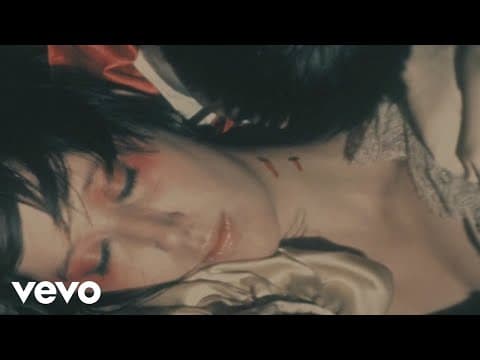
Yeah Yeah Yeahs - Y Control (2004) Director: Spike Jonze Era: Post-Punk Revival / Garage Rock Renaissance (2003–2005) - Peak era of NYC indie rock resurgence, characterized by raw energy, art-house provocation, and the mainstream breakthrough of underground aesthetics via MTV2 Exceptionally high. One of the most discussed and critically significant music videos of the 2000s, occupying a unique intersection of post-punk revival music history, auteur cinema crossover, and broadcast censorship discourse. The quantitative profile, slow pace, near-static motion, muted warmth, is itself a research-rich document of how deliberate restraint amplifies transgressive content. Essential for any archive focused on music video as an artistic and cultural form. Context: Released in January 2004 as a single from Yeah Yeah Yeahs' debut album Fever to Tell (2003), 'Y Control' arrived at the apex of the post-punk/garage rock revival that dominated early-2000s alternative culture. The video, directed by Spike Jonze, became one of the most controversial music videos of the decade, generating significant cultural discourse around the depiction of children in graphic scenarios and the limits of acceptable imagery on mainstream music television. MTV and MTV2 aired the video with a director's disclaimer and censored content, marking a rare instance of televised negotiation between artistic provocation and broadcast standards. The video exemplifies the period's appetite for art-cinema-inflected music video production, as indie rock gained mainstream traction through outlets like MTV2. The warm, muted, near-static visual register amplifies the horror-adjacent content through contrast, a strategy consistent with Jonze's broader filmmaking philosophy. Director notes: Directed for Yeah Yeah Yeahs in 2004, released January 2004 (United States) per IMDb. Produced by MJZ (per FilmAffinity); film producer Vincent Landay; film editor Stephen Berger (per Dailymotion credits). The video was controversial for its imagery involving children and was subject to MTV censorship, blurring of certain content and a director's disclaimer at the opening. It represents one of Jonze's most provocative music video works, sitting at the intersection of his arthouse filmmaking sensibility and his long history of boundary-pushing music video output. The video's restrained, static visual grammar, consistent with the quantitative metrics (slow pace, low brightness, low motion), contrasts sharply with the violence of its content, a hallmark Jonze technique of juxtaposing mundane aesthetics with disturbing subject matter.
Source: radarchive.org
Part of RAD Archive · Watch in the documentary