Bon Jovi - I'll Be There For You
JUL 01 1989 · 12:00
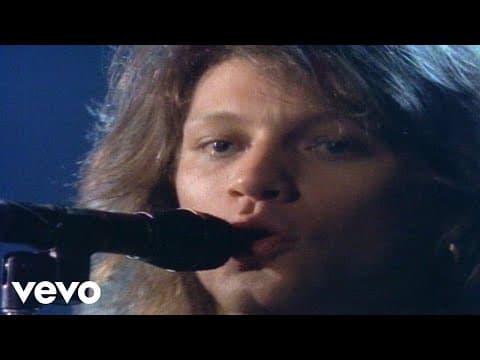
Bon Jovi - I'll Be There For You (1989) Director: Wayne Isham Era: Late MTV Golden Age / Glam Metal Peak (1989) - Height of arena rock's commercial dominance; power ballads ruled radio and MTV rotations, marking glam metal's last imperial moment before grunge's arrival. High-value archival specimen representing the commercial and aesthetic peak of glam metal's MTV era. Directed by Wayne Isham, the defining visual auteur of late-1980s arena rock, the video's documented dual-source production method, monochromatic blue lighting design, and kinetic close-up editing style make it an exemplary primary source for the period. Its #1 commercial performance and enduring cultural familiarity make it a Tier 1 candidate for music video preservation and pedagogical use in media studies, popular music history, and visual culture research. Context: Released in spring 1989 as the third single from Bon Jovi's landmark fourth album New Jersey (1988), 'I'll Be There for You' arrived at the absolute commercial apex of glam metal and arena rock. The album had already spawned two Billboard Hot 100 #1 singles ('Bad Medicine,' 'Born to Be My Baby'), and this power ballad followed suit, hitting #1 in May 1989 and becoming the longest song to top the charts that year at 5:43. The New Jersey album itself reached #1 on the Billboard 200 for four consecutive weeks and was certified 7x platinum in the U.S. The video's MTV-friendly aesthetic, dark, emotionally lit, intercutting studio intimacy with massive Wembley Arena crowd energy, encapsulates the era's tension between mass-stadium spectacle and manufactured personal connection, a defining feature of late-1980s rock video culture. Director notes: The video mixes footage of Bon Jovi performing on a dark soundstage, lit with near-monochromatic blue stage lighting, with black-and-white concert footage filmed during the band's three-night stand at London's Wembley Arena. This dual-source construction (controlled soundstage vs. raw live arena footage) is a hallmark of Isham's performance-aesthetic approach to arena rock acts of this period. The low brightness and cool blue palette visible in the quantitative metadata (brightness 45.6/255, warm-cool temperature 1.46) directly corroborate the documented monochromatic blue lighting design. The fast editing pace (119 scene changes, avg. shot 2.9s) reflects Isham's kinetic intercutting style developed across his late-1980s Bon Jovi and hard-rock collaborations.
Source: radarchive.org
Part of RAD Archive · Watch in the documentary