Collective Soul - December
JUL 01 1995 · 12:00
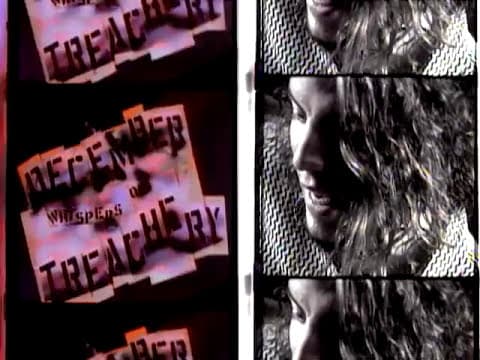
Collective Soul - December (1995) Director: Lynn Spinnato Era: Post-Grunge Commercial Peak (1995) - Mid-decade alternative rock mainstream crossover; Atlantic Records-era Collective Soul at the height of their chart dominance, riding the tail of grunge's commercial absorption into mainstream rock radio. High curatorial value as a primary visual document of Collective Soul at their commercial peak. As the year's dominant Album Rock single, the video captures the band's aesthetic philosophy, understated, performance-focused, deliberately unglamorous, at the precise moment post-grunge was redefining mainstream rock. The technical fingerprint (high contrast, warm-but-desaturated grade, kaleidoscope intro, split-screen cutting) offers a reliable benchmark for mid-budget Atlantic Records rock video production in 1995. The confirmed director attribution via IMDb and IMVDb makes this a well-sourced archival entry. Context: Released in March 1995, 'December' arrived at the precise moment post-grunge was consolidating its hold on mainstream rock radio, displacing the rawer Seattle sound with polished, melody-forward alternative rock. Collective Soul, a Georgia-based band signed to Atlantic Records after 'Shine' broke nationally in 1994, exemplified the commercial alt-rock wave that gave rock radio a commercially viable identity as hip-hop and R&B dominated pop formats. 'December', written by Ed Roland about tensions with the band's first manager, became the most successful song on the Billboard Album Rock Tracks chart for all of 1995, spending nine consecutive weeks at #1. The video's deliberately spare, bar-room performance aesthetic reinforced the band's no-frills, music-first identity during a period when MTV still served as the primary visual promotional engine for rock acts. Director notes: Directed the official 1995 music video for Collective Soul's 'December,' released on Atlantic Records as a single from their self-titled album. The video is a performance-based clip set in a bar environment, opening with a kaleidoscope sequence and employing split-screen techniques to fragment band member performances. The visual approach, desaturated, high-contrast, blue-tinted cinematography, aligns with the song's cold, introspective tone. The editing pace (avg shot length ~3.6s, 78 scene changes across ~4:43) is fast relative to the era's performance video norms, keeping energy high without narrative distraction. Confirmed via IMDb (tt5571570) and IMVDb.
Source: radarchive.org
Part of RAD Archive · Watch in the documentary