Dishwalla - Counting Blue Cars
JUL 01 1996 · 12:00
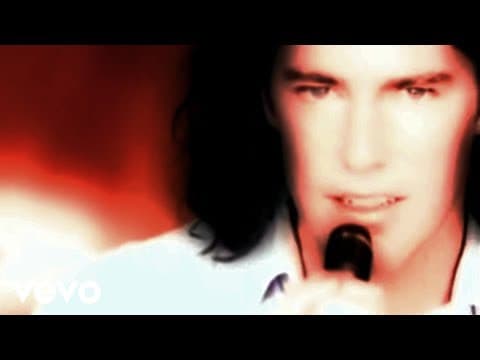
Dishwalla - Counting Blue Cars (1996) Director: Chris Applebaum Era: Mid-90s Alternative Rock Peak (1996) - Post-grunge alternative radio dominance; A&M Records-era indie-to-mainstream crossover with socially conscious visual storytelling shot on location in Los Angeles High curatorial value as a confirmed 1996 artefact directed by a documentably significant video director at the outset of his career. The Dome Village location lends the video rare sociological and archival weight: the site no longer exists (demolished 2006), making this footage an inadvertent document of a vanished Los Angeles social geography. Combined with the song's extraordinary chart longevity and cultural controversy, this video sits at the intersection of music history, urban social history, and 1990s visual culture. Context: Released in 1996 at the height of alternative rock's commercial peak, 'Counting Blue Cars' emerged from the same radio landscape as Collective Soul and Stone Temple Pilots. The video's choice of the Dome Village, a real Los Angeles encampment for homeless people comprising 18 fiberglass domes, grounds the song's existential, child's-perspective spiritual inquiry in social-realist geography rarely seen in mainstream rock videos of the era. The song spent 48 weeks on the Billboard Hot 100 and topped the Modern Rock Tracks chart, receiving two ASCAP awards as the most-played song on US radio in 1997 and 1998. Its depiction of God as female generated significant cultural controversy, underscoring the video's thematic audacity within the conservative reach of Top 40 radio. Director notes: Confirmed directed by Chris Applebaum per IMDB (tt8851690), IMVDb, Songfacts, and Dailymotion credits. Released 1996 on A&M Records. Film producer credited as Robert Nackman per Dailymotion credits. Shot on location at the Dome Village, a community of 18 small fiberglass domes in a former parking lot in downtown Los Angeles that housed homeless individuals; the village opened in 1993 and was shut down in 2006. The band performs in front of an orange wall while a camera rotates around them. The video features a blown-out, overexposed visual treatment of band members, consistent with mid-90s alternative rock video aesthetics. The rapid editing pace (avg shot length ~0.56s) and warm, high-saturation palette reflect Applebaum's early-career signature of energetic intercutting and vivid location color.
Source: radarchive.org
Part of RAD Archive · Watch in the documentary