Wire - Eardrum Buzz
JUL 01 1989 · 12:00
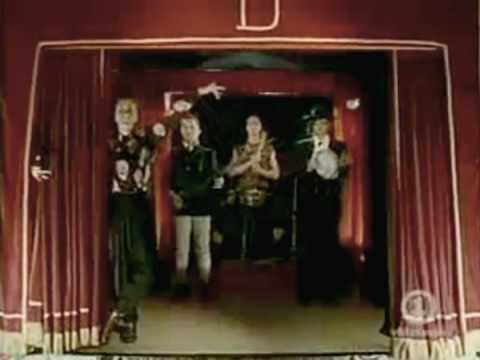
Wire - Eardrum Buzz (1989) Era: Late-80s Post-Punk Second Wave (1989) - British art-punk veterans Wire at commercial peak on Mute Records, bridging angular minimalism with synth-inflected new wave pop during the alternative rock pre-explosion High. As the promotional artifact for Wire's most commercially successful single, this video is a primary document of late-80s British post-punk's negotiation with mainstream music video culture. Its quantitative profile, fast cutting, low brightness, warm color temperature, encodes the Mute Records anti-spectacular aesthetic in measurable visual terms. Essential for any archive covering the post-punk/alternative rock transition period or the visual culture of UK independent labels. Context: Released in 1989, 'Eardrum Buzz' arrived during Wire's Mute Records second act, a period in which the band, originally post-punk pioneers of the late 1970s, had refashioned themselves as a synth-influenced art-rock act. The single became their biggest commercial success, reaching No. 2 on the US Billboard Modern Rock Tracks chart, demonstrating that Wire's minimalist, conceptually rigorous approach could translate into modern rock radio currency at the dawn of the alternative rock era. The video's fast-cut aesthetic and warm low-key visual language place it squarely within the Mute Records visual tradition, understated, art-directed rather than spectacular, and connects it to a broader moment when UK indie labels were developing a sophisticated visual grammar distinct from major-label MTV bombast. Director notes: The video uses the 12-inch single edit of the song rather than the album version. The single was released in 1989 on Mute Records (catalogue MUTE 87 / 12MUTE 87), produced by Paul Kendall and John Fryer and recorded at Terminal 24 Studios, London. No production company, director credit, or commissioner has been identified in any publicly available source consulted for this annotation.
Source: radarchive.org
Part of RAD Archive · Watch in the documentary