R.E.M. - How The West Was Won And Where It Got Us
JUL 01 1997 · 12:00
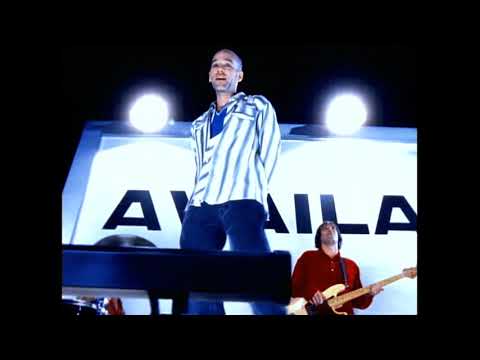
R.E.M. - How The West Was Won And Where It Got Us (1997) Director: Lance Bangs Era: Post-Grunge Alternative Decline (1997) - Late-cycle alt-rock era defined by introspective experimentation, major-label fatigue, and the twilight of MTV's alternative programming dominance High curatorial priority as the final music video to document R.E.M.'s classic four-member lineup before Bill Berry's departure, directed by Lance Bangs at a formative point in his career. The video's technical signature, low brightness, high contrast, warm analogue film texture, and rapid editorial montage, provides a benchmark case study for the documentary-inflected music video aesthetic that Bangs would systematize across his subsequent career with Nirvana, Sonic Youth, and Arcade Fire. Context: Released in 1997 as the final single from 'New Adventures in Hi-Fi,' this video arrived at a pivotal inflection point: R.E.M. was wrapping their most critically ambitious mid-decade work, and the departure of founding drummer Bill Berry was imminent, making this the last music video to document the classic four-piece lineup until a decade later. The song itself, built on a hip-hop-inflected rhythm, jazz piano, and allusive lyrical abstraction, reflected R.E.M.'s restless resistance to commercial alt-rock formulas, while Bangs' documentary-rooted visual language reinforced the anti-spectacle, substance-over-image ethos that defined the Athens indie scene from which both artist and director emerged. Director notes: This video, released in 1997, was directed by Lance Bangs for R.E.M.'s fourth and final single from 'New Adventures in Hi-Fi.' It was the last R.E.M. music video to feature drummer Bill Berry before his departure from the band. Bangs' signature lo-fi, analogue-film, documentary-inflected visual language is consistent throughout. The video's fast editorial pace (2.17s avg shot length, 139 scene changes) contrasted against the song's sparse, slow-burn arrangement is a hallmark of Bangs' approach: using editorial energy to generate emotional dynamism in place of choreographed performance. The warm color temperature (1.81) and low brightness (78.63/255) align with his preference for available-light, naturalistic cinematography rooted in Super8 and 16mm film traditions developed during his time in the Athens, Georgia music scene.
Source: radarchive.org
Part of RAD Archive · Watch in the documentary