Motley Crue - If I Die Tomorrow
2004
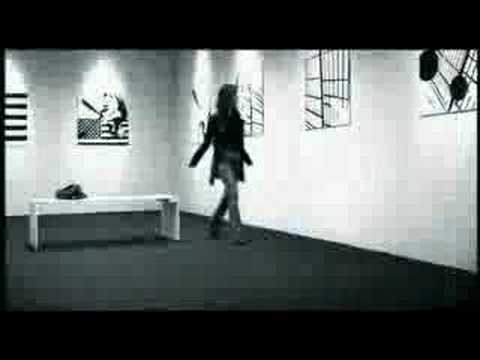
Motley Crue - If I Die Tomorrow (2004) Director: P.R. Brown Era: Post-Grunge Hard Rock Revival (2004-2005) - Legacy glam-metal acts recalibrating for mid-2000s mainstream rock radio; Mötley Crüe reunion cycle tied to greatest-hits compilation Red, White & Crüe High curatorial value as a documented intersection of glam-metal legacy, mid-2000s mainstream rock production, and confessional biographical video narrative. Directed by P.R. Brown, a figure with significant cross-genre visual influence, and tied to the highly publicized Mötley Crüe reunion, this video functions as both a commercial artifact and a cultural document of how 1980s rock iconography was repackaged for 2000s audiences. Its frank dramatization of real band-member traumas gives it particular resonance as a record of rock mythology's self-aware evolution. Context: Released in 2004/2005 as Mötley Crüe's comeback single following a high-profile reunion, 'If I Die Tomorrow' occupied a culturally complex position: a glam-metal band from the Sunset Strip excess era adopting the melodic confessional grammar of mid-2000s post-grunge radio rock. Originally written by Simple Plan and brought to the band by producer Bob Rock, the song was reshaped by bassist Nikki Sixx. The video leaned into the band's mythology of excess and consequence, heroin overdose, fatal drunk-driving crash, chronic illness, incarceration, converting tabloid biography into redemptive rock narrative. This represented a broader mid-2000s trend of legacy rock acts using autobiographical video storytelling to re-authenticate their brand for younger audiences unfamiliar with their 1980s peak. Director notes: Directed for Mötley Crüe to promote the single from their 2005 compilation Red, White & Crüe, recorded for Mötley Records. The video employs an art-museum framing device in which a distressed woman views paintings depicting the band performing, while parallel vignette sequences dramatize traumatic real-life episodes from each band member's biography. The rapid editing pace (115 scene changes, avg 1.96s/shot) and high-contrast warm-toned visual palette are characteristic of Brown's mid-2000s rock video aesthetic. Brown's dual role as album designer and video director for Mötley Crüe reflects a unified visual identity approach across the Red, White & Crüe campaign.
Source: radarchive.org
Part of RAD Archive · Watch in the documentary