Melissa Etheridge - Come To My Window
JUL 01 1993 · 12:00
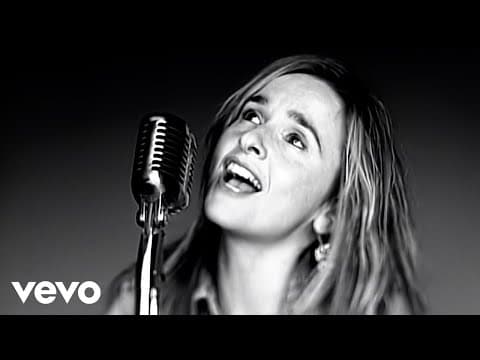
Melissa Etheridge - Come To My Window (1993) Director: Samuel Bayer Era: Post-Grunge Alternative Rock Breakthrough (1993) - Mid-period MTV era marked by high-rotation VH1/MTV crossover acts, raw performance aesthetics, and increasing LGBTQ+ visibility in mainstream rock Exceptionally high. This video occupies a rare intersection of cultural, historical, and aesthetic significance: it is both a formally accomplished work by one of the decade's most important music video directors and a documented milestone in LGBTQ+ mainstream visibility. The high-contrast monochromatic palette, rapid editorial rhythm (1.70s avg. shot), and dual-strand narrative structure make it analytically rich for researchers in music video form. Its Grammy win and Billboard nomination anchor its period reception. Essential for any archive focused on 1990s alternative rock, identity politics in popular culture, or the development of the music video as narrative art form. Context: Released in 1993, 'Come to My Window' arrived in the immediate wake of Melissa Etheridge publicly coming out as a lesbian, making it the first major hit single released after her announcement. The song and video became a landmark in mainstream LGBTQ+ representation in rock music, propelled significantly by call-in radio requests from a mobilized gay rights audience. The video's mental institution narrative and stark B&W aesthetic invited multiple readings: as a coming-out allegory, a meditation on isolation and longing, or a portrait of emotional desperation. Set against the context of peak grunge and alternative rock dominance on MTV, the video's raw visual language placed Etheridge within the broader early-90s aesthetic of stripped-back, emotionally honest music video filmmaking, while also standing as a commercially sophisticated crossover product for VH1's adult rock demographic. Director notes: Bayer directed 'Come to My Window' in 1993 for Island Records. The video is shot in black and white, featuring cross-cutting between Etheridge performing with her guitar and a narrative strand depicting a mental patient. Bayer personally photographed and operated the camera, consistent with his signature hands-on vérité approach. The video also features child-like drawings in certain scenes, which according to VH1's Pop Up Video were created by a crew member's five-year-old daughter. A planned sequence featuring a young girl representing the mental patient's 'lost childhood' was filmed but cut during editing. The video was nominated for Best Clip of the Year (Rock) at the 1994 Billboard Music Video Awards.
Source: radarchive.org
Part of RAD Archive · Watch in the documentary