Bronski Beat - Tell Me why (ORIGINAL)
JUL 01 1984 · 12:00
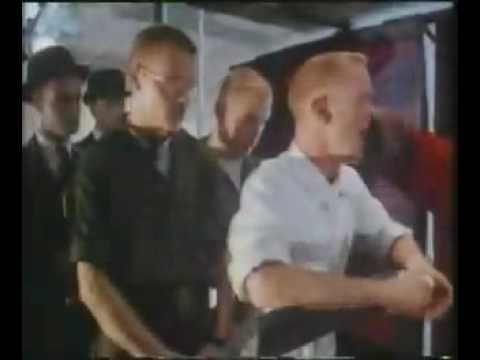
Bronski Beat - Tell Me why (ORIGINAL) (1984) Director: Bernard Rose Era: British Synth-Pop Golden Age (1984) - Peak era of hi-NRG electronic pop intersecting with overt LGBTQ+ political activism in UK mainstream chart culture, mid-Thatcher conservatism Exceptionally high. One of the most politically explicit and culturally significant UK music videos of 1984, directed by a filmmaker (Bernard Rose) who would go on to direct Candyman (1992). The video is a primary document of queer political activism in mainstream British pop culture at a moment of acute social hostility, and a key artefact in the history of LGBTQ+ representation on music television. Tier 1 archive priority. Context: Released September 1984 as the second single from The Age of Consent, 'Why?' arrived at a pivotal moment: the Miners' Strike, the early AIDS crisis, and Section 28's precursor debates had made gay visibility in Britain simultaneously dangerous and urgent. Bronski Beat, all openly gay, used the single and its video to directly indict institutionalised homophobia. The UK age of consent for homosexual acts remained 21 versus 16 for heterosexual acts; the album's inner sleeve catalogued global consent law disparities. The video's allegorical supermarket-and-court narrative literalised the daily criminalisation experienced by gay men in Thatcher-era Britain, making it one of the most politically explicit mainstream pop videos of the decade. Director notes: Bernard Rose directed both Bronski Beat music videos from The Age of Consent era, 'Smalltown Boy' and 'Why?', in 1984, under the production company Aldabra Films (per IMDB). The 'Why?' video deploys a satirical theatrical narrative set in a supermarket and a puppet court, depicting the band being arrested by 'the thought police' for being openly gay, then subjected to a mock trial. The video was produced in a UK studio setting. Rose was simultaneously the director of the controversial 'Relax' video for Frankie Goes to Hollywood (1983), giving him established credibility within the early-MTV-era queer pop video space. His NFTS training in visual storytelling is evident in the controlled blocking and allegorical staging.
Source: radarchive.org
Part of RAD Archive · Watch in the documentary