Culture Club - Church Of The Poison Mind
JUL 01 1983 · 12:00
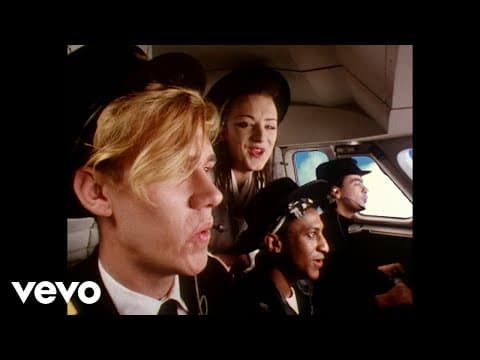
Culture Club - Church Of The Poison Mind (1983) Director: Chris Gabrin Era: New Wave / Second British Invasion (1983) - Peak MTV era marked by gender-bending fashion, soul-inflected pop, and rapid chart dominance on both sides of the Atlantic High-priority archival artifact representing the convergence of New Wave, New Romantic subculture, and early MTV broadcast culture at a precise commercial and cultural peak. The video's confirmed director, documented chart performance, and its role as lead single for one of the era's most commercially successful albums make it a Tier 1 research and preservation asset. Its visual codification of Boy George's androgynous identity is of particular significance to studies of LGBTQ+ representation and mainstream pop history. Context: Released on 1 April 1983 in the UK as the lead single from 'Colour by Numbers', 'Church of the Poison Mind' arrived at the apex of Culture Club's commercial ascent and the broader Second British Invasion of American pop culture. The single reached #2 in the UK, held off the top spot only by David Bowie's 'Let's Dance', and cracked the US Billboard Hot 10. It marked the mainstream arrival of New Romantic androgyny into global pop consciousness via MTV, with Boy George's gender-fluid presentation challenging normative pop stardom visually while the music blended new wave structure with Motown-influenced brass and soul. The video encapsulates the early MTV promotional model: a polished studio performance piece designed for maximum repeat-play broadcast impact. Director notes: Confirmed directed by Chris Gabrin per IMDB (tt8390584), IMVDb, and FilmAffinity. Released April 7, 1983 in the UK. The video served as the promotional clip for the lead single from Culture Club's second album 'Colour by Numbers' on Virgin Records. Gabrin had a prior working relationship with Culture Club, also directing the 'Time (Clock of the Heart)' video in 1982, giving this production an established visual continuity within the band's early visual identity. The clip is a studio performance piece consistent with the economical but polished UK promo format of the period.
Source: radarchive.org
Part of RAD Archive · Watch in the documentary