Fretblanket - Into the Ocean
1997
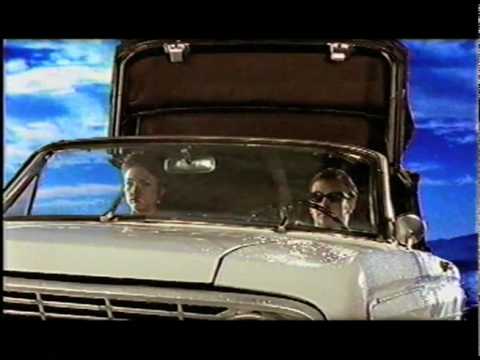
Fretblanket - Into the Ocean (1997) Director: Ted Crittenden Era: Britpop/Post-Grunge Crossover Era (1996–1998) - A transitional moment when British alternative rock bands pursued American MTV exposure amid the waning of grunge and peak Britpop, blending UK indie sensibility with US alternative-rock production values. High curatorial value as a rare, well-preserved artefact of a specific and under-archived moment in transatlantic alternative rock promotion. The video's verified MTV '12 Angry Viewers' record, its documented directorial credit, and its vivid 60s-inflected aesthetic make it a strong candidate for preservation as both a music video art object and a primary source document for 1990s MTV programming history. Its obscurity relative to its measurable cultural impact amplifies its archival significance. Context: Released in 1997 at the tail end of the Britpop boom, 'Into the Ocean' represents a specific strand of British alternative rock that found more traction in the United States than at home. Fretblanket, from Stourbridge, England, a town with its own indie pedigree, signed to PolyGram and pursued transatlantic visibility at a moment when MTV's appetite for British guitar bands was already contracting. The video's selection for and triumph on MTV's '12 Angry Viewers' panel show illustrates both the ambition and the structural barriers facing UK acts seeking American mainstream breakthrough in the post-grunge, pre-nu-metal transitional period. The 60s Euro-spy aesthetic of the video consciously invoked a retro-pop visual language that distanced the band from grunge austerity, aligning them instead with the colour and irony of contemporaries such as Blur and Pulp. Director notes: Directed in 1997 to support the single 'Into the Ocean' from Fretblanket's second album 'Home Truths From Abroad' (PolyGram). The video premiered on MTV's viewer-panel programme '12 Angry Viewers' in November 1997, where it was voted best video of the week, at the time the highest-rated result in that programme's history. Contemporary viewer accounts characterised the visual approach as a colourful 1960s Euro-spy piece, consistent with the quantitative data showing high saturation (114.90), warm colour temperature (2.14), and theatrical staging. The video subsequently received a short run in regular MTV rotation.
Source: radarchive.org
Part of RAD Archive · Watch in the documentary