The Thorns - I Can't Remember
2003
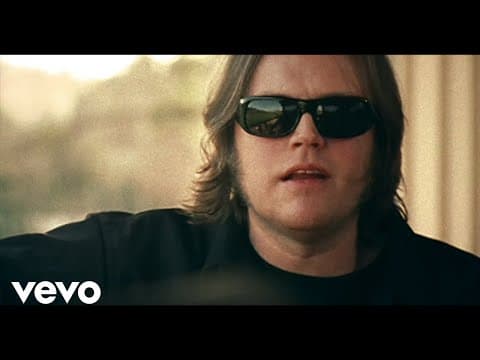
The Thorns - I Can't Remember (2003) Director: Martyn Atkins Era: Post-Grunge Adult Alternative (2003) - Early 2000s AAA radio era defined by acoustic supergroup resurgences, harmony-driven folk-rock, and a retreat from late-90s alt-rock distortion toward warm, organic Americana textures. High curatorial value as the sole major music video artifact from a notable but short-lived acoustic supergroup combining three established alt-rock singer-songwriters at the commercial peak of the AAA format. The video is a clean primary source for the visual and sonic conventions of warm, harmony-driven adult alternative music video production in the early 2000s, directed by a confirmed industry veteran with a traceable aesthetic lineage across roots-rock and Americana acts. Context: Released May 20, 2003, 'I Can't Remember' arrives at the apex of the early-2000s acoustic supergroup trend, in which established alt-rock solo artists pooled credibility to revive 1960s, 70s California harmony-rock traditions. The Thorns, Matthew Sweet, Pete Droge, and Shawn Mullins, drew explicit comparisons to Crosby, Stills, Nash & Young for their three-part vocal interplay. The single's warm production by Brendan O'Brien and its AAA radio and VH1 success reflect a broader post-9/11 industry pivot toward comfort-driven, melodically accessible adult rock. The video's fast-cut performance aesthetic bridges the era's MTV TRL visual grammar with the more restrained sensibility of the Americana and roots-rock worlds the band inhabited. Director notes: Directed for Aware/Columbia Records. Produced by Howard Woffinden (credited on IMVDb). The video premiered May 20, 2003, coinciding with the release of The Thorns' self-titled debut album. The video serves as the lead single promotional clip for 'I Can't Remember,' which became the band's most commercially successful track, reaching the top 20 on VH1 and gaining significant AAA radio airplay. Atkins's approach, favoring warm naturalistic lighting, tight performance intercutting, and minimal conceptual overlay, aligns with his broader aesthetic across roots-rock and Americana-adjacent acts.
Source: radarchive.org
Part of RAD Archive · Watch in the documentary