a-ha - Forever Not Yours
APR 02 2002 · 12:00
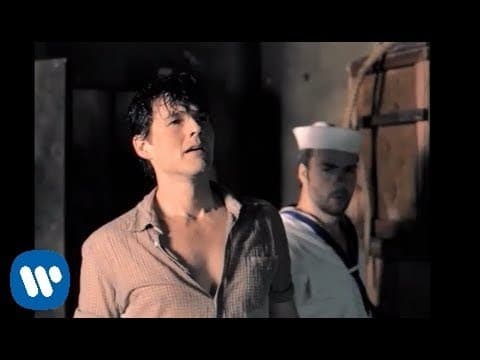
a-ha - Forever Not Yours (2002) Director: Harald Zwart Era: Post-Millennial Synth-Pop Revival (2002) - Norwegian synth-pop veterans returning with cinematic, internationally shot narrative videos amid the early-2000s European pop resurgence High curatorial value as a documented, multi-source-confirmed artifact of early-2000s European synth-pop with a distinctively cinematic, allegorically rich narrative structure shot on international location. The Noah's Ark/celebrity satire concept and Havana setting make this an unusually layered text for a mainstream single video, and the confirmed directorial credit of Harald Zwart, a transitional figure moving from European music video to Hollywood features, adds significant production-historical interest. Context: Released in April 2002 as the lead single from a-ha's seventh studio album Lifelines, 'Forever Not Yours' marked the band's continued relevance in the European pop market more than a decade after their 1980s peak. The video's production in Havana, Cuba introduced an exotic, politically charged geography into a Northern European pop context at a time when Cuba remained visually loaded in the Western cultural imagination. The Noah's Ark narrative framework, with celebrity look-alikes boarding a metaphorical ark, functions as postmodern satire of fame culture, a theme resonant in the early years of reality television's global rise. The choice of a cinematic, internationally produced narrative video signaled a-ha's ambitions beyond typical promotional clip conventions. Director notes: Confirmed director of the 'Forever Not Yours' music video (2002), shot on location in Havana, Cuba. The video's storyline is based on the Biblical narrative of Noah's Ark transposed onto a contemporary celebrity-satire framework. Zwart also directed a-ha's 'Velvet' video, making this his second collaboration with the band. The album cover for Lifelines was photographed by Andy Frank during the same Cuba shoot. IMDb records a runtime of 4 minutes and an aspect ratio of 4:3.
Source: radarchive.org
Part of RAD Archive · Watch in the documentary