Shareefa feat. Ludacris - Need A Boss
2006
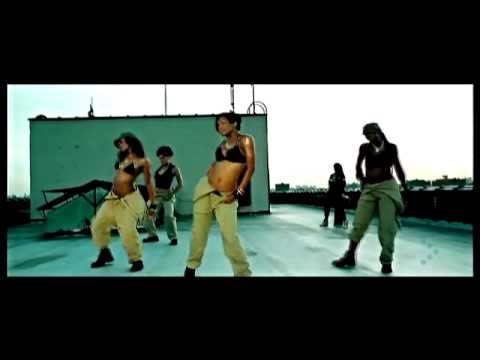
Shareefa feat. Ludacris - Need A Boss (2006) Director: Melina Matsoukas Era: Mid-2000s R&B/Hip-Hop Crossover Era (2006) - Peak period of Def Jam/DTP label power, rapid-cut urban video aesthetics, and female R&B assertiveness narratives High curatorial value as a documented early work by one of the most decorated music video directors of the 2000s, 2010s. Matsoukas' career trajectory from this 2006 debut-era video to Grammy-winning work for Rihanna and Beyoncé is a compelling archival thread. The video also captures the commercial and cultural peak of the Disturbing Tha Peace label ecosystem and preserves a rare introductory platform moment for an emerging female R&B artist in the DTP/Def Jam machine. Context: Released July 2006 on Disturbing Tha Peace/Def Jam Recordings, 'Need A Boss' was Shareefa's debut single from her album Point of No Return. The track was produced by Rodney 'Darkchild' Jerkins and samples The Stylistics' 'Let's Put It All Together,' anchoring the track in soul-music legacy while projecting a contemporary assertive female R&B voice. The single reached #62 on the Billboard Hot 100, #10 on Hot R&B/Hip-Hop Singles & Tracks, and #4 on BET's 106 & Park. Its peak-of-DTP-era release context, when Ludacris and the Disturbing Tha Peace label were at commercial zenith, gave the video outsized cultural visibility, and it represents an early career moment for director Melina Matsoukas before her ascent to Grammy and MTV VMA recognition. Director notes: Confirmed via IMDb (tt8054532) as directed by Melina Matsoukas, released July 2006 (United States), produced by FM Rocks. This video falls at the very start of Matsoukas' professional directing career: Wikipedia notes she directed her first music video in 2006 upon completing graduate school, and this is among her earliest credited works. The video was a major platform piece, with the single reaching #4 on BET's 106 & Park and #10 on the Hot R&B/Hip-Hop Singles & Tracks chart, giving Matsoukas early high-visibility exposure in the urban video market. The warm, high-contrast, rapid-cut aesthetic evident in the quantitative metadata is consistent with Matsoukas' described early style of 'bright colors or crisp black and white images, smooth spotlights, and tasteful retro video models.'
Source: radarchive.org
Part of RAD Archive · Watch in the documentary