Take That - Why Can't I Wake Up With You
JUL 01 1993 · 12:00
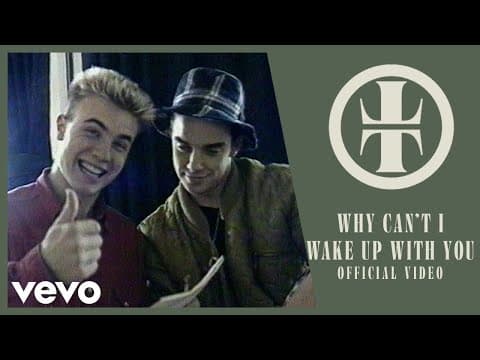
Take That - Why Can't I Wake Up With You (1993) Director: Grant Hodgson & Liam Kan Era: British New Jack Swing / Boy Band Breakthrough Era (1993) - Peak of UK teen pop's early-90s swingbeat crossover moment, coinciding with Take That's commercial ascent toward mainstream dominance High curatorial value as a confirmed, director-verified 1993 artefact documenting Take That at a pivotal commercial and aesthetic turning point. The Paris château location, co-directors Grant Hodgson and Liam Kan's warm intimate framing, and the song's chart performance (UK #2) make this a primary-source document for researchers studying the British boy band phenomenon, early-90s pop video production conventions, and the transatlantic flow of New Jack Swing into UK mainstream pop. Context: Released on 8 February 1993 as the lead single from Take That's second album Everything Changes, this video arrived at the precise moment the group was transitioning from teen novelty act to credible UK pop force. The song's revision from a saxophone ballad on the debut album into a swingbeat-inflected mid-tempo track reflected the broader UK pop absorption of American New Jack Swing influences. The château setting and intimate solo-room visual strategy repositioned the band as aspirational romantic figures, a deliberate image evolution that resonated with their rapidly expanding fanbase. The closing paparazzi sequence acknowledged and dramatised the group's escalating celebrity status in British tabloid culture. Director notes: The video was shot in a château in Paris, presenting each band member performing solo in separate rooms of the property, with a concluding sequence showing the group navigating a paparazzi scrum. The intimate, room-by-room structure was noted at the time for introducing a more sensual, mature visual identity for the band relative to their earlier work. The directors' warm, low-lit interior approach mirrors the song's swingbeat-influenced longing aesthetic and complements the slow-burn domestic fantasy of the lyrical content.
Source: radarchive.org
Part of RAD Archive · Watch in the documentary