Dr. Dre Ft. B - Real - Puppet Master
JUL 01 1997 · 12:00
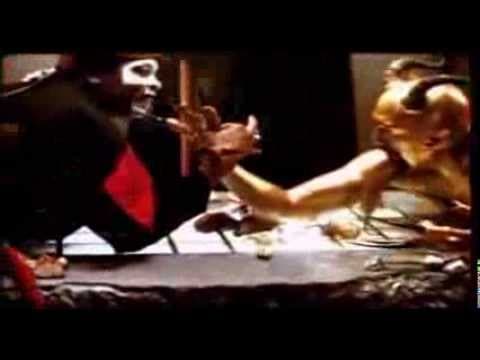
Dr. Dre Ft. B - Real - Puppet Master (1997) Director: Dean Karr Era: Mid-90s West Coast Hip-Hop / Cross-Genre Supergroup Era (1997) - Peak period of Death Row-adjacent G-Funk crossover and underground LA hip-hop colliding with dark, cinematic MTV visual aesthetics. High curatorial value as a rare convergence of two of the most iconographically distinct West Coast hip-hop artists under a visionary director known for horror-inflected surrealism. Represents a unique moment where underground collective aesthetics (Soul Assassins) and major commercial hip-hop identities (Dr. Dre) fused under MTV-era production standards. The video's dark visual palette, rapid editing, and conceptual surrealism make it a significant departure from the genre norm of the era and an important archival document for both hip-hop and music video history. Context: Released in early 1997, 'Puppet Master' sits at the intersection of Death Row-era West Coast hip-hop and the underground Soul Assassins collective led by DJ Muggs of Cypress Hill. The track represents a significant cross-pollination moment: Dr. Dre, then at the height of his post-NWA solo power, collaborating with B-Real outside of his home camp in a project rooted in the darker, more experimental wing of LA hip-hop. The video's dark surrealist visual language, crafted by Dean Karr, mirrors the gothic horror aesthetic Karr had developed through rock clients like Marilyn Manson, bridging hip-hop and alt-rock visual cultures at a moment when MTV was actively platforming both. The warm, low-key lighting and rapid montage editing reflect the mid-90s LA aesthetic of gritty street realism filtered through cinematic ambition. Director notes: Puppet Master was released on March 4, 1997 as a single from DJ Muggs' album 'Muggs Presents... The Soul Assassins Chapter I' on Columbia Records. The track is produced by DJ Muggs of Cypress Hill and features Dr. Dre and B-Real as guest vocalists. Dean Karr directed the video, bringing his signature dark, surrealist visual style, developed through his horror-tinged mid-90s work, to the production. The video's quantitative profile (208 scene changes, 1.14s avg shot length, warm color temperature of 3.78K, moderate brightness of 69.53/255, and high saturation of 153.36) is consistent with Karr's known aesthetic of high-contrast, kinetically edited, tungsten-lit cinematography. The video was later uploaded to Dr. Dre's official YouTube channel as a 1990s classic.
Source: radarchive.org
Part of RAD Archive · Watch in the documentary