Eamon - (How Could You) Bring Him Home
2006
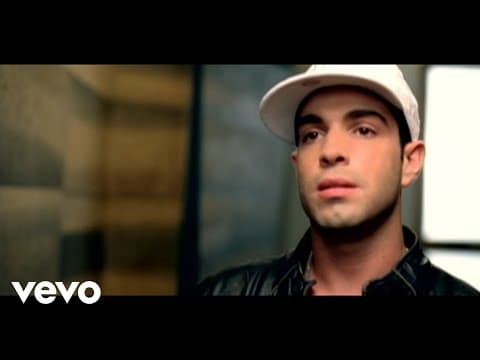
Eamon - (How Could You) Bring Him Home (2006) Era: Mid-2000s R&B Revival (2006) - Post-debut commercial R&B era defined by retro-soul aesthetics, confessional lyricism, and urban narrative video production on Jive Records Significant as the sole music video artifact from Eamon's commercially underperforming but critically interesting second album, released only in Europe and the UK. Documents a pivotal transitional moment in Eamon's career between his global novelty-hit breakthrough and his subsequent label difficulties. The video's warm-toned, high-contrast realism and rapid editorial pace offer a clear aesthetic snapshot of Jive Records' mid-budget 2006 R&B visual production style, and the narrative content, domestic betrayal and violent consequence, reflects the raw emotional authenticity central to Eamon's artistic identity. Context: Released in September 2006 as the lead single from Eamon's second studio album 'Love & Pain' on Jive Records / Zomba Label Group, this video arrives in the wake of Eamon's surprise global breakthrough with 'Fuck It (I Don't Want You Back)' (2003-2004), which topped charts in the UK, Australia, Germany, the Netherlands, and Sweden and earned a Guinness World Record. The follow-up album was released only in the UK and Europe due to undisclosed domestic label complications, limiting the video's commercial reach in the US. The song peaked at #26 in Italy and #61 in the UK Singles Chart. The narrative, a man returning early from tour to discover infidelity, reflects the confessional, emotionally raw storytelling that defined Eamon's brand of retro-influenced R&B, rooted in his Staten Island upbringing and doo-wop heritage. Director notes: No director credit is listed on IMVDb, IMDb, or Wikipedia for this video. The music video was uploaded to Eamon's VEVO account on October 25, 2009, though the song and its associated video were produced in 2006 for the Jive Records / First Priority Music release of 'Love & Pain'. No production company credit has been publicly documented.
Source: radarchive.org
Part of RAD Archive · Watch in the documentary