Japan
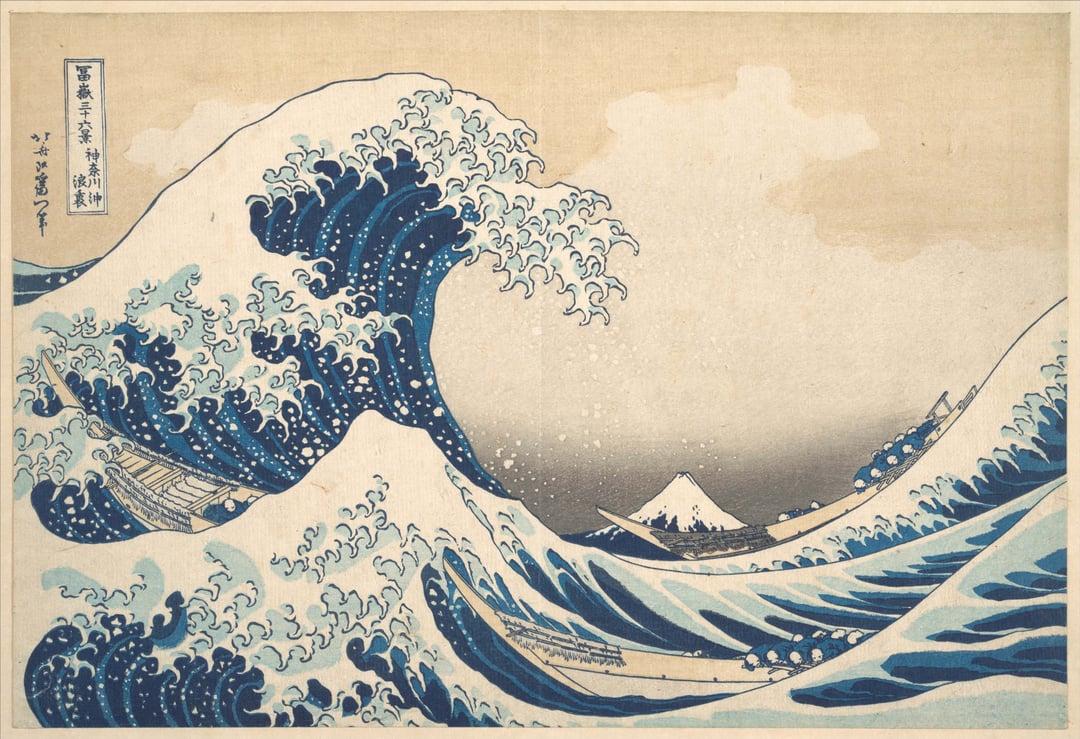
Japan spent two and a half centuries mostly closed, then opened at gunpoint in 1853 and rebuilt itself twice in a hundred years, once into an empire, and once, after that empire ended in firebombing and two atomic weapons, into the second-largest economy on earth. What survived all of it, and what the country is now best known for, is a culture of extraordinary specificity: a print of a wave that changed European painting, a shrine torn down and rebuilt every twenty years, a knife folded from smelted sand, a fish sliced by a man who has done nothing else for sixty years. And then the modern export, Godzilla and Kurosawa, Mario and Pokémon, Totoro and Akira, ramen and city pop and Comme des Garçons, which reached further than anything the empire ever took. This archive follows the culture first: the animation, the food, the crafts, the films, the music, the clothes, the games and the rituals. It also tells the twentieth century straight, including the parts still argued over, because an archive that leaves those out is not an archive of Japan.
A chronological documentary of 990 moments on Loreline.
Curated by Olivier · last updated 2026-08-22
Eras
- Samurai, The warrior class and the centuries it ruled: armour and castles, the Sengoku wars and the unification, the shogunates, sumo and the martial arts, and the long afterlife of bushido, much of which was written down in 1900, well after the last samurai.
- Swords, The blade itself. Steel smelted from iron sand, folded and differentially hardened, and the smiths still doing it by hand, plus the tsuba, the mountings and the collectors.
- Ukiyo-e, Pictures of the floating world. Hokusai, Hiroshige, Utamaro, Sharaku and Kunisada; actors, courtesans, ghosts, waves and the road to Edo, and the block-cutting and printing that made them cheap enough for anyone to own.
- Painting, Screens, scrolls and hanging works rather than prints: ink painting, the Kano school, Rinpa, nihonga, and the Buddhist and narrative traditions behind them.
- Ceramics, Clay and fire. Arita porcelain and Bizen stoneware, Raku bowls made by hand for the tea room, Mino and Seto, the climbing kilns, and the gold seams of kintsugi.
- Crafts, Everything else made by hand and made to last: lacquer, washi paper, textiles and indigo, metalwork, joinery, calligraphy, dolls and basketry, and the Living National Treasures system, which exists because these skills die with their holders.
- Architecture, Buildings and the thinking behind them. Katsura and the tea house, castles, the shrine at Ise rebuilt every twenty years so the carpentry survives, and the modern run from Tange to Ando to SANAA.
- Shinto, Kami, shrines and torii; purification, priests, and the calendar of matsuri, the festivals that still shut whole cities for a week, from Gion to Nebuta to Awa Odori.
- Buddhism, Arriving in the sixth century and never leaving. Zen and zazen, the raked garden, temple life, sutras and statuary, and the schools that shaped how the country thinks about death.
- Theatre, Kabuki, noh and bunraku, all three still performed, all three on the UNESCO list, plus the geisha districts of Kyoto and the training behind an art that takes decades.
- Food, Sushi from preserved fish to Edo street food; ramen, which is Chinese and became the national dish anyway; dashi and the discovery of umami in 1908; the market at four in the morning and the convenience store at midnight.
- Sake & Tea, Two drinks with their own disciplines. Rice, water, koji and the brewing craft UNESCO listed in 2024; and the tea ceremony, which Sen no Rikyū turned into a philosophy with rules.
- Anime, From Tezuka drawing a robot boy in 1963 to an industry that supplies the world and struggles to pay its own animators. Ghibli, Akira, Evangelion, the Jump titles that ran for a generation, and the desks and schedules behind them.
- Film, Kurosawa taking the Golden Lion in 1951 and being remade as westerns ever since; Ozu three feet off the tatami; a man in a rubber suit released nine years after Hiroshima and understood immediately. Then the New Wave, the horror, and Koreeda at Cannes.
- Video Games, A playing-card company founded in 1889 that ended up defining the medium. Mario and Zelda, the arcade, Street Fighter, Final Fantasy, Pokémon, Kojima, and the hardware, designed with the same care as anything else here.
- Music, Gagaku played more or less continuously for twelve centuries, and city pop rediscovered by an algorithm forty years late. Enka, Yellow Magic Orchestra, the idol machine and its economics, and the jazz bars where nobody talks.
- Fashion, What people actually wear. The kimono and the people still making one by hand; the 1981 Paris collections that arrived in black; Harajuku photographed weekly for twenty years; and the small Okayama mills that make the best denim in the world.
- Empire, The forced opening in 1853 and the speed of what followed: Meiji industrialisation, the colonies in Taiwan and Korea, Manchuria and the war in China, the Pacific War, and then the occupation, Article 9, the miracle and the bubble.
- Hiroshima, 6 and 9 August 1945 and everything after. The two cities, the casualty estimates and their ranges, the hibakusha who spent their lives testifying, and the memorials built where the buildings were.
- Disasters, A country built on four plates. Kobe in 1995, the sarin attack that same year, and 11 March 2011, the earthquake, the wave and Fukushima.
- Robots, A country that has been building automata since the Edo period and now builds them because there are not enough people. The karakuri tea-serving doll, Honda's walking prototypes, nursing and care robots pitched at a shortage of carers, humanoids for the warehouse floor, and Rapidus betting the industrial base on a 2nm chip.
- Tourism, Forty-two million visitors a year arriving in a country that spent decades asking for them. Kyoto's buses and its two-tier fares, the crossing at Shibuya, Fushimi Inari blocked to ambulances, a climbing fee and a daily cap on Fuji, the Osaka Expo, and the towns working out what the crowds are actually worth.
- Ageing Japan, More deaths than births, eight million empty houses and a workforce running short. The care worker and the eighty-five-year-old, lonely deaths and the crematorium queue, the akiya tax, companies abolishing the retirement age, 2.3 million foreign workers, and the politics and economics of a country getting older faster than any other.
…and 990 more moments. Full text archive: /loreline-text/japan.md